
INTERNAL BLEEDING
CAUTION
IS IT AN EMERGENCY?
RECOMMENDED MODULES FOR TREATMENT

BLEEDING

INJURIES

WOUNDS

ESSENTIALS
WHAT TO DO FIRST
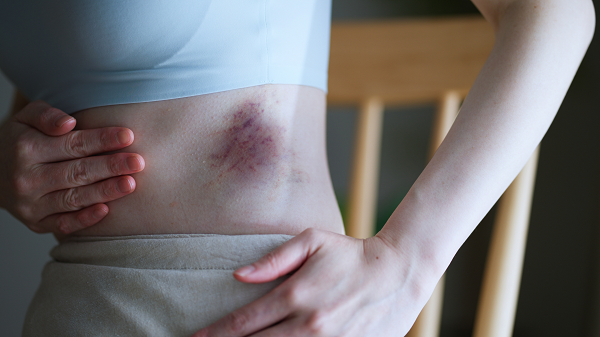
CHECK FOR THE FOLLOWING SIGNS
- Initially, pale, cold, clammy skin. If bleeding continues, the skin may
turn blue-gray (cyanosis) - Rapid, weak pulse
- Thirst
- Rapid, shallow breathing
- Confusion, restlessness, and irritability
- Possible collapse and unconsciousness
- Bleeding from body openings (orifices)
- In cases of violent injury, “pattern bruising”—an area of discolored skin with a shape that matches the pattern of clothes or crushing or restraining objects
- Pain
- Information from the casualty that indicates recent injury or illness
how to treat it
HELP CASUALTY LIE DOWN
The main risk from internal bleeding is shock, Help the casualty lie down (ideally on a blanket). Raise and support his legs above the level of his heart. Treat any cause of shock, such as bleeding (above) or burns.
LOOSEN TIGHT CLOTHING
Keep the casualty’s head low. Loosen any clothing that constricts his neck, chest, and waist.
KEEP CASUALTY WARM
Cover the casualty with a blanket to keep him warm. Advise the casualty not to move.
CALL FOR EMERGENCY HELP
Call for emergency help. Give the dispatcher details about the cause of shock, if known.
Monitor and record vital signs— level of response, breathing, and pulse—until help arrives.
CAUTION
- Suspect internal bleeding if a casualty develops signs of shock without obvious blood loss.
- Check for any bleeding from body openings such as the ear, mouth, and nose. There may also be bleeding from the urethra, vagina, or anus (below).
- The signs of bleeding vary depending on the site of the blood loss (below), but the most obvious is a discharge of blood from a body opening.
- Blood loss from any orifice is significant and can lead to shock.
- In addition, bleeding from some orifices can indicate a serious underlying injury or illness. Follow treatment for shock