
ANIMAL AND HUMAN BITES
CAUTION
IS IT AN EMERGENCY?
RECOMMENDED MODULES FOR TREATMENT

BLEEDING

WOUNDS

ESSENTIALS

INJURIES
WHAT TO DO FIRST
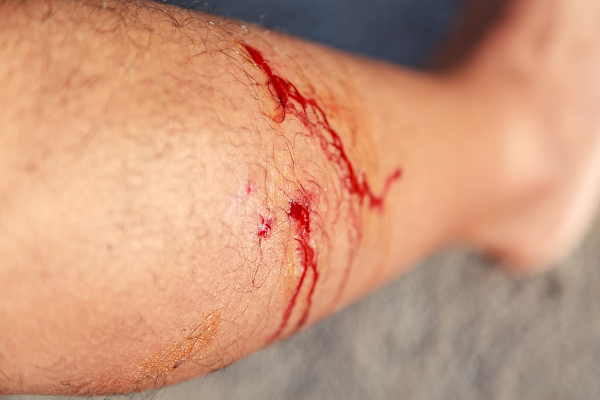
CHECK FOR THE FOLLOWING:
- A serious risk is rabies, a potentially fatal viral infection of the nervous system.
- The virus is carried in the saliva of infected animals.
- If bitten in an area where there is a risk of rabies, seek medical advice because the casualty must be given antirabies injections.
- Try to identify the animal but do not attempt to approach or trap it.
- Tetanus is also a potential risk following any animal bite.
- Human bites carry only a small risk of transmitting the hepatis or HIV/AIDS viruses. However, medical advice should be sought right away.
how to treat it
TREATING ANIMAL OR HUMAN BITES
1. Wash the bite wound thoroughly with soap and warm water in order to minimize the risk of infection.
2. Raise and support the wound and pat dry with clean gauze swabs.
3. Then cover with a sterile wound dressing.
4. If the wound is deep, control bleeding by applying direct pressure over a sterile pad and raise the injured part. Cover the wound and pad with a sterile dressing or large, clean nonfluffy pad and bandage firmly in place. Treat the
casualty for shock and call for emergency help.
CAUTION
- If you suspect rabies, arrange to take or send the casualty to the hospital immediately.
- Ask the casualty about tetanus immunization.
- Seek medical advice if he is unsure if he is up-to-date with his immunizations.