
DIABETES
CAUTION
IS IT AN EMERGENCY?
RECOMMENDED MODULES FOR TREATMENT

INJURIES

CPR

WOUNDS

ESSENTIALS
WHAT TO DO FIRST
CHECK FOR THE FOLLOWING SIGNS:
HYPERGLYCEMIA
- Warm, dry skin
- Rapid pulse and breathing
- Fruity sweet breath and excessive thirst
- Drowsiness, leading to unconsciousness if untreated
HYPOGLYCEMIA
- A history of diabetes—the casualty himself may recognize the onset of a
hypoglycemic attack - Weakness, faintness, or hunger confusion and irrational behavior
- Sweating with cold, clammy skin
- Rapid pulse
- Palpitations and muscle tremors
- Deteriorating level of response
- Medical warning bracelet or necklace, and glucose gel or tablets
- Medication such as an insulin pen or tablets, and a glucose testing kit
how to treat it
HYPERGLYCEMIA
High blood sugar (hyperglycemia) may develop slowly over a period of hours or days.
If it is not treated, hyperglycemia will result in unconsciousness (diabetic coma) and therefore requires urgent treatment in the hospital.
Those who suffer from hyperglycemia may wear warning bracelets, cards, or medallions alerting a first aider to the condition.
1. Call Emergency Services
Tell dispatcher that you suspect hyperglycemia.
2. Monitor & Record Vital Signs
Level of response, breathing, and pulse—while waiting for help to arrive.
Your Aim
To arrange urgent removal to the hospital.
HYPOGLYCEMIA
This condition occurs when the blood sugar level falls below normal. It is characterized by a rapidly deteriorating level of response.
Hypoglycemia develops if the insulin–sugar balance is incorrect; for example, when a person with diabetes misses a meal or does too much exercise. It is common in a person with newly diagnosed diabetes while he is learning to balance sugar levels. More rarely, hypoglycemia may develop following an epileptic seizure or after an episode of binge drinking.
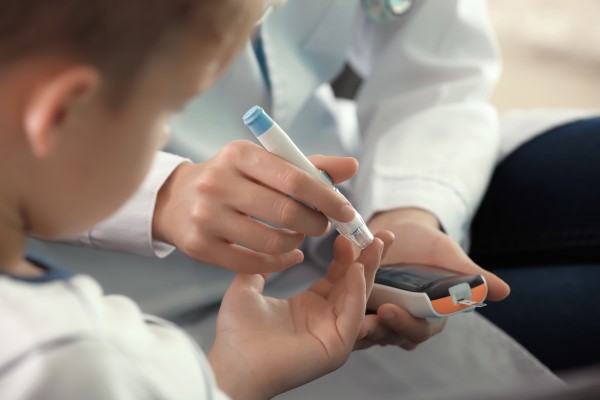
People with diabetes may carry their own blood-testing kits to check their blood sugar levels, as well as their insulin medication, so they are well prepared for emergencies; for example, many carry sugar, candy, or a tube of glucose gel. If the hypoglycemic attack is at an advanced stage, consciousness may be impaired and you must seek emergency help.
1. Help the casualty sit down.
If he has his own glucose gel or tablets, help him take it. If not, give him the equivalent of 10 g of glucose—for example, an 8 oz glass of nondiet carbonated beverage or fruit juice, two teaspoons of sugar (or two lumps of sugar), or
sugary candy such as hard candies.
2. If the casualty responds quickly,
Give him more food or drink and let him rest until he feels better. Help him find his glucose testing kit so that he can check his glucose level. Monitor him until he is
completely recovered.
3. If the casualty’s condition does not improve,
Look for other possible causes. Call for emergency help and monitor and record vital signs—level of response, breathing, and pulse while waiting for help to arrive.
Your Aim
To raise the sugar content of the blood as quickly as possible
To obtain appropriate medical help
CAUTION
Hyperglycemia
If the casualty loses consciousness and is not breathing (or just gasping), begin CPR with chest compressions
Hypoglycemia
If the casualty loses consciousness and is not breathing (or just gasping), begin CPR with chest compressions